Recipes
Pro Tips
Scaling Recipes: The Math That Makes or Breaks Your Business
Nov 30, 2025
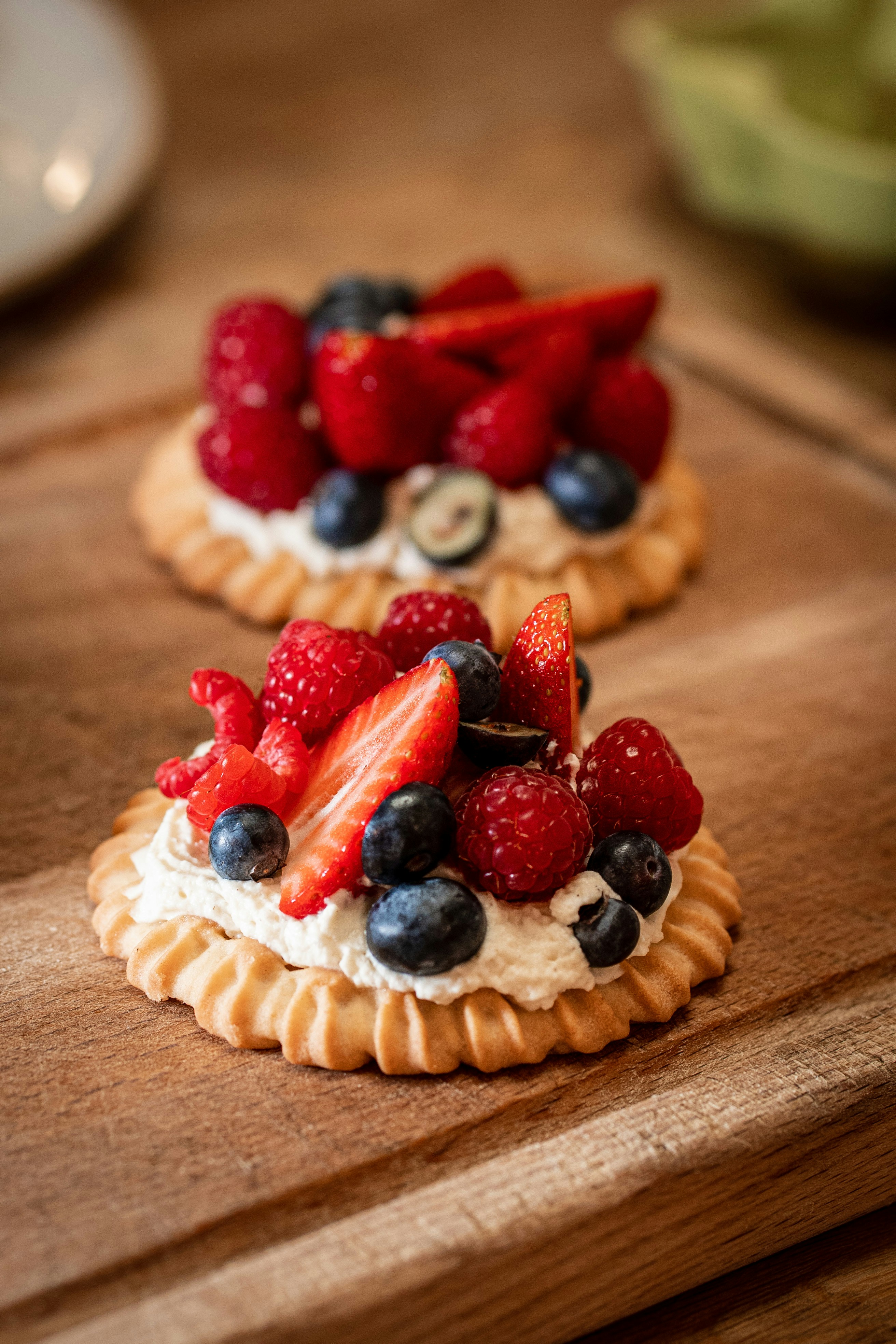
Scaling recipes seems simple: double the ingredients, double the output. But professional bakers know it's far more complex. Bad scaling math costs you money in wasted ingredients, failed batches, and missed opportunities.
The Linear Scaling Myth
Not everything scales linearly. Doubling your recipe doesn't always mean doubling everything:
Yeast: Often needs less when scaled up (proportionally)
Salt: Can become overpowering if doubled exactly
Liquids: May need adjustment for absorption rates
Baking times: Definitely don't scale linearly
A recipe that works for 50 portions might fail at 200 portions if you simply multiply by four. You need to understand ratios, baker's percentages, and the behavior of ingredients at scale.
The Cost Impact of Poor Scaling
When you scale wrong, you create waste. That batch of brioche that didn't rise properly? That's 5kg of flour, 3kg of butter, and 4 hours of labor down the drain. At scale, one mistake can cost €100+ in materials alone.
Accurate scaling tools calculate proper ratios automatically. Input your desired output, and the system adjusts ingredient quantities while maintaining the recipe's integrity. No guessing, no failed batches, no expensive waste.
Scaling for Catering and Special Orders
A wedding order for 200 servings of your signature dessert isn't just "make your recipe 20 times." You need to:
Break down bulk orders into practical batch sizes
Schedule production across multiple days for fresh results
Calculate total ingredient needs without over-ordering perishables
Maintain quality at scale (some recipes simply don't scale beyond a certain point)
Professional management systems help you quote accurately and produce efficiently. When a customer asks, "Can you make 150 of these?" you can answer with confidence and a precise cost.
Baker's Percentages: Your Secret Weapon
Professional bakers use baker's percentages, where flour is always 100% and other ingredients are percentages of the flour weight:
Flour: 100%
Water: 65%
Yeast: 2%
Salt: 2.2%
This method makes scaling trivial and recipes flexible. Once you work in percentages, scaling to any quantity becomes automatic.
Note: The best recipe systems work in both weights and percentages, letting you input recipes naturally while maintaining the mathematical precision needed for accurate scaling and costing.