Recipes
Tips
New
Your Real Recipe Costs
Feb 10, 2026
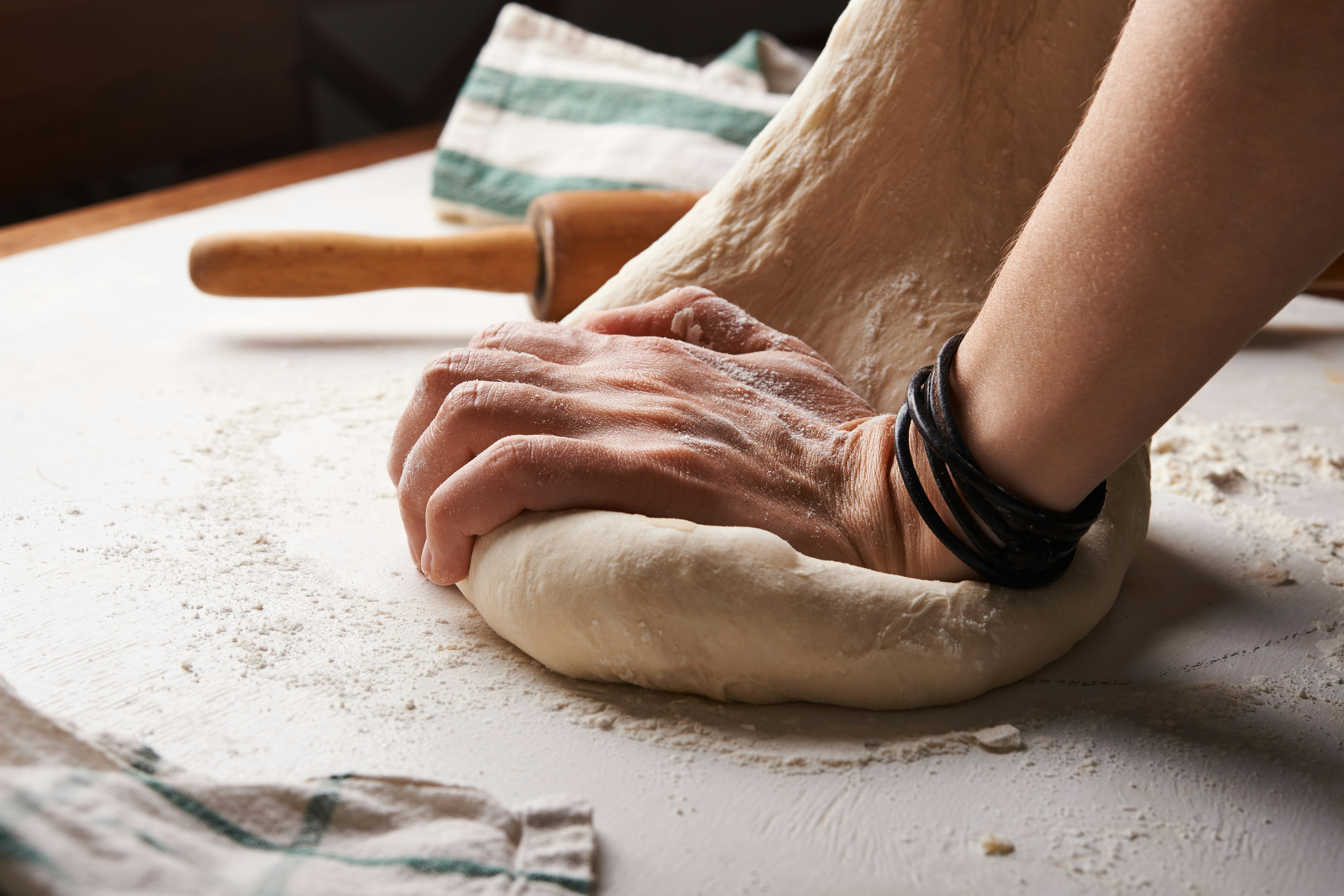
Most pastry chefs know their recipes by heart, but few know their actual costs. You might think your bestselling tart is profitable, but hidden costs in sub-recipes, waste, and fluctuating ingredient prices can silently eat away at your margins.
The Hidden Cost Problem
When you create a recipe, you're not just adding flour, butter, and sugar. You're using preparations that themselves contain multiple ingredients. That pastry cream in your éclair? It has eggs, milk, vanilla, and cornstarch. Each with its own cost that changes every time your supplier adjusts prices.
Traditional spreadsheets can't keep up with this complexity. By the time you've updated one recipe, three ingredient prices have changed, and you're back to guessing.
Breaking Down True Costs
Real recipe costing means tracking every layer. Your chocolate tart doesn't just cost the price of chocolate and dough. It costs the almond cream inside, which costs the almond powder, eggs, and butter that went into it. Then add the time-based costs: cream that needs aging, dough that requires resting, ganache that needs setting.
Modern management tools solve this by treating sub-recipes as dynamic ingredients. When your butter price increases by 10%, every recipe using your almond cream automatically reflects that change. No manual updates, no forgotten calculations, no surprise losses at month-end.
Note
Smart bakers update their ingredient costs weekly and review their pricing monthly. This simple habit can recover 15-20% in lost margins, turning your passion into sustainable profit.